Baby Duck Embroidery: A Boutique Sweatshirt Review
As an embroidery designer constantly curating collections for small boutique brands, I approach every new machine embroidery design with a critical eye. It is not enough for a graphic to be cute on a screen; it must translate beautifully into thread and fabric. When evaluating the Baby Duck Embroidery design for an upcoming premium sweatshirt drop, my primary focus is on how this kawaii aesthetic performs in a commercial production environment. This review breaks down the technical and artistic viability of using this specific embroidery file for high-end nursery apparel and cozy seasonal wear.
First Impressions and Kawaii Aesthetic Translation
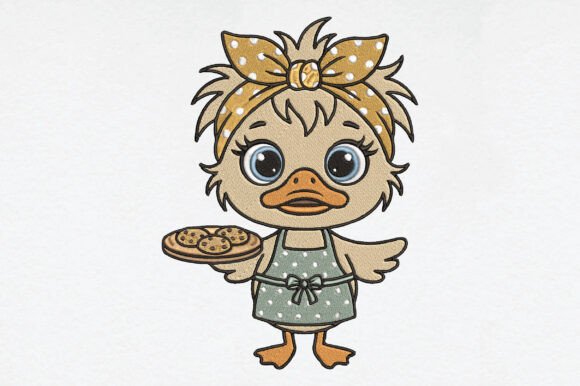
The immediate appeal of Baby Duck Embroidery lies in its narrative charm. Featuring a baby duck wearing a bow and apron while holding cookies, the design captures a specific nostalgic sweetness that resonates deeply with the modern nursery market. However, as a designer, I look beyond the initial "cute" factor to assess stitch personality. The kawaii style relies heavily on smooth satin stitches for outlines and expressive facial features, combined with fill stitches for the apron and body. In digital preview software, the layout appears balanced, but the true test is whether the digitizing maintains that softness once needle penetrates fabric.
For a boutique brand, the mood must feel intentional rather than generic. This design strikes a delicate balance between playful and polished. It avoids the overly cartoonish look that can cheapen a garment, instead offering a refined illustration style that suggests a handmade product. The inclusion of the cookies adds a dynamic element to the composition, preventing the center chest placement from looking static. This visual interest is crucial for lifestyle product photography, where the embroidery needs to read clearly even in candid, movement-based shots.
Strategic Placement on Premium Sweatshirts
When planning a limited sweatshirt drop, versatility is key. Baby Duck Embroidery is sized appropriately for left-chest placement on oversized hoodies, which is currently the industry standard for custom apparel. The proportions allow for adequate negative space around the design, ensuring it feels luxurious rather than crowded. For an Etsy seller or small shop owner, this placement maximizes perceived value because it mimics high-end retail branding.
I also envision this design working exceptionally well as a sleeve accent or a centered back yoke design for toddler sizes. The verticality of the duck’s posture allows it to adapt to different hoop size constraints without distortion. For darker fabrics like charcoal or navy, the design requires careful color mapping to ensure the bow and apron pop against the background. On pastel sweatshirts—think sage green, dusty rose, or oatmeal—the design naturally harmonizes, reinforcing the soft nursery theme. This adaptability makes it a strong asset for creators building a cohesive seasonal collection.
Technical Considerations for Commercial Embroidery
A beautiful image fails if the production quality suffers. When preparing Baby Duck Embroidery for sweatshirt embroidery, several technical factors demand attention:
- Stitch Density and Fabric Texture: Sweatshirt fleece has a high pile that can swallow fine details. I recommend testing the stitch density on your specific blank. If the fleece is thick, you may need to slightly increase the underlay or density to prevent the duck’s facial expression from sinking into the fabric texture.
- Stabilizer Selection: For knit fabrics, a cut-away stabilizer is non-negotiable to prevent puckering. Given the detailed apron and bow elements, consider using a water-soluble topping to keep the stitches crisp and prevent the fleece loops from poking through the satin columns.
- Thread Color Contrast: The kawaii aesthetic depends on clear definition. Before running production, verify your thread colors against the actual sweatshirt material. Digital mockups often lie about contrast; a cream-colored duck on a white sweatshirt may require a darker outline stitch to remain visible after washing.
- Small-Size Readability: If scaling down for infant onesies or beanies, check that the cookies and bow retain their shape. Complex fills sometimes turn into muddy blobs at smaller sizes. Always run a sew-out at the smallest intended dimension before listing the item.
Always consult the specific technical data provided with the digital embroidery file. Verify the exact stitch count, recommended hoop dimensions, and licensing terms before committing to bulk production. These specifications dictate whether the design is suitable for your machine’s capabilities and your business model.
Elevating Brand Identity and Buyer Trust
In the saturated market of kids' apparel, differentiation comes from execution. Using a well-digitized design like Baby Duck Embroidery signals to customers that your brand cares about quality. Poorly registered designs or thread breaks destroy buyer trust instantly. Conversely, a clean, professional finish reinforces your identity as a reputable small shop product creator. The design’s inherent sweetness aligns perfectly with the emotional purchase drivers in the nursery category, but it is the tactile quality of the embroidery that secures repeat business.
For commercial embroidery businesses, this design offers excellent merchandising potential. It photographs beautifully for printable mockup previews, allowing sellers to market the design before inventory is produced. The distinct character helps with visual recognition on social media feeds, where scrolling customers make split-second decisions. By positioning this design as part of a curated "Bakery Animals" or "Sweet Nursery" collection, you create a narrative that encourages bundling and higher average order values.
Production Workflow and Value Assessment
Integrating Baby Duck Embroidery into a production line requires efficient workflow management. Because the design features multiple color changes for the bow, apron, and cookies, trim times and color stops must be factored into pricing. While multi-color designs take longer to run than single-color logos, the added depth justifies a higher price point for hoodie design products. Customers understand that intricate embroidery represents time and skill.
- Test Sew-Out: Always stitch on the exact garment weight you intend to sell. Fleece weights vary significantly between suppliers.
- Color Sequence Optimization: Review the color change order. Can you combine similar shades to reduce stops? Sometimes reordering threads (if the digitizer allows) streamlines production.
- Wash Testing: Nursery items are washed frequently. Launder your test sample three times to ensure the stabilizer holds and the design does not distort or fray.
- Mockup Accuracy: Ensure your design assets reflect the true scale. Misleading size representations lead to returns and negative reviews.
Ultimately, Baby Duck Embroidery represents more than just a cute animal motif; it is a test of your brand’s commitment to quality finished product standards. Whether you are an established apparel decorator or a new creative entrepreneur, treating this design with professional rigor ensures it performs as well on a sweatshirt as it does on a screen. The combination of kawaii charm and technical precision is what transforms a simple embroidery project into a beloved boutique staple. By respecting the interplay between digitizing, fabric choice, and brand presentation, you elevate this sweet duck from a basic graphic to a signature piece in your nursery collection.