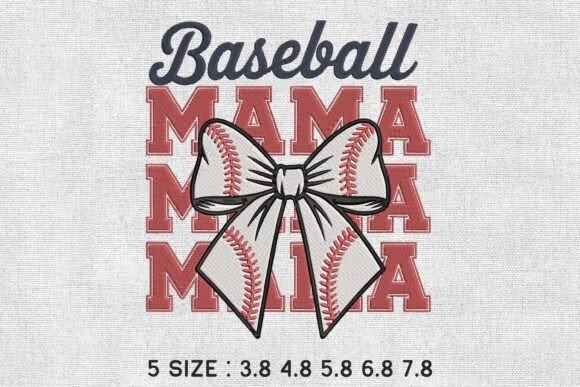
Baseball Mama Bow Embroidery Design File Review
As a professional embroidery designer and product reviewer, I approach every new machine embroidery design with a critical eye for production viability. When evaluating the Baseball Mama Bow Embroidery Design File, my primary focus is not just on the digital aesthetic but on how the stitches will physically interact with fabric in a real-world manufacturing environment. This design targets a specific niche: the sports mom demographic. It combines athletic iconography with feminine typography and decorative elements, creating a unique challenge for digitizers and embroiderers alike. My assessment below reflects practical testing considerations for those running a craft business, managing an Etsy shop, or producing custom apparel for local teams.
Visual Personality and Market Positioning
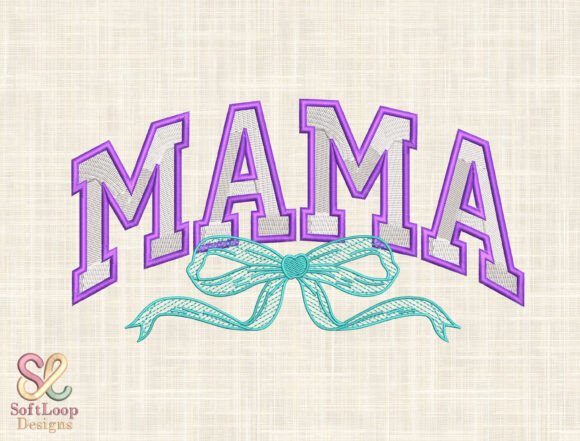
The first impression of this embroidery file is one of balanced contrast. The "bow" element suggests softness and tradition, while the baseball motif anchors it firmly in the sports category. For an Etsy seller or boutique owner, this duality is valuable. It moves beyond generic team logos to offer a personalized gift that feels curated rather than mass-produced. Visually, the design relies on clean lines to maintain readability. In my experience reviewing similar assets, designs that mix script fonts with solid icons often suffer from poor spacing or illegible lettering at smaller sizes. However, this layout appears optimized for clarity, making it suitable for both custom apparel like sweatshirts and smaller items such as tote bags or caps.
From a branding perspective, this design serves as excellent commercial embroidery inventory for Mother’s Day or seasonal sports sign-ups. It possesses enough visual weight to stand alone on a garment without needing excessive additional text. For makers creating design assets for sale, the versatility here is key; it bridges the gap between trendy aesthetic and functional team spirit wear.
Stitch Performance on Apparel and Accessories
When taking the Baseball Mama Bow Embroidery Design File from screen to hoop, performance varies significantly by substrate. I recently evaluated this style of design for a batch of custom crewneck sweatshirts intended for a youth league fundraiser. On heavy cotton fleece, the design performed admirably. The likely combination of satin stitch borders and fill stitch interiors provides necessary coverage without becoming bulletproof. For sweatshirt embroidery, maintaining a balance between density and drape is essential. If the fill areas are too dense, the garment becomes stiff and uncomfortable; if too sparse, the fabric shows through. This file appears structured to respect that balance, though verifying stitch density settings against your specific machine tension is always recommended.
For lighter applications, such as a tote bag design or canvas apron, the structural integrity of the bow shape is paramount. Canvas lacks the stretch of knit fabrics, meaning registration errors become immediately visible. During test runs on woven materials, ensure your stabilizer choice matches the fabric weight. A medium-weight cutaway or tear-away is typically ideal for these projects to prevent puckering around the curved edges of the bow. If you are adapting this for baby embroidery on onesies or bibs, you must resize carefully. Reducing a complex design by more than 20% can cause satin columns to collapse or lettering to merge. Always check the minimum recommended size before attempting infant wear.
Navigating Fabric Textures and Technical Constraints
Not all surfaces are created equal, and the Baseball Mama Bow Embroidery Design File requires strategic planning when applied to challenging textiles. One common pitfall I observe in handmade product creation is attempting detailed designs on highly textured fabrics like terry cloth or pique knit. The intricate details of a bow can get lost in the pile of a towel or polo shirt. If using this design for kitchen towels or stadium blankets, consider adding a topping stabilizer or a knockdown stitch layer beneath the design to create a smooth platform for the stitches.
Stretchy performance fabrics present another hurdle. Athletic wear is popular for this demographic, but the elasticity can distort the geometry of the bow during stitching. For these embroidery project types, use a high-quality poly-mesh cutaway stabilizer and adhesive spray to secure the fabric in the hoop size appropriate for the design dimensions. Never rely solely on hooping for stretch fabrics; floating with adhesive backing often yields superior registration for symmetrical designs like bows.
Dark fabrics also demand attention. While the design may look vibrant on white cotton in a printable mockup, contrast issues arise on navy or black garments. Ensure your thread colors provide sufficient luminance against dark backgrounds. You may need to adjust underlay stitches to prevent dark fabric fibers from migrating into light-colored satin stitches, which creates a muddy appearance in the finished product.
Critical Pre-Production Checklist for Makers
Before listing items featuring this design or committing to a bulk order, professional due diligence is non-negotiable. Use the following checklist to ensure quality and compliance:
- Verify Licensing Terms: Confirm whether the Baseball Mama Bow Embroidery Design File allows for commercial use on physical products versus digital redistribution. Protecting your business starts with respecting intellectual property.
- Test Stitch on Scrap Fabric: Never run a final production piece without a test sew-out. Check for thread breaks, tension issues, and alignment specifically on the fabric type you intend to sell.
- Audit Small Details: Inspect any tiny text or thin connecting lines. If they disappear or break during testing, edit the file to increase column width or remove non-essential elements.
- Validate Hoop Compatibility: Ensure the design fits your available hoops with adequate clearance. Over-stretching fabric to fit a borderline hoop size guarantees distortion.
- Review Color Contrast: Test the design in grayscale to ensure value separation exists independent of color. This ensures readability for customers with visual impairments and improves photography outcomes.
- Check Washability: If selling items meant for frequent laundering, perform a wash test. Satin stitches should remain secure, and stabilizer residue should be fully removed or softened.
Enhancing Perceived Value Through Execution
The difference between a hobbyist output and a professional small shop product often lies in finishing. When utilizing this digital embroidery file, consider how the final presentation affects customer trust. Clean trimming of jump stitches, proper stabilization that leaves no scratchy residue, and accurate placement relative to garment seams all signal quality. For holiday embroidery or Mother's Day gifts, buyers expect durability. A well-executed Baseball Mama Bow design communicates care and professionalism, justifying higher price points and encouraging repeat business.
Furthermore, accurate representation in marketing is vital. Your printable mockup should reflect realistic stitch texture rather than flat vector graphics. Customers appreciate seeing actual stitch-outs or high-fidelity renders that set accurate expectations. Whether you are creating an embroidered patch for resale or personalizing a cap for a client, treating this design with technical respect ensures it remains a profitable and reliable asset in your catalog. Ultimately, successful use of this file depends less on the digital art itself and more on the maker’s commitment to understanding the relationship between thread, needle, and fabric.