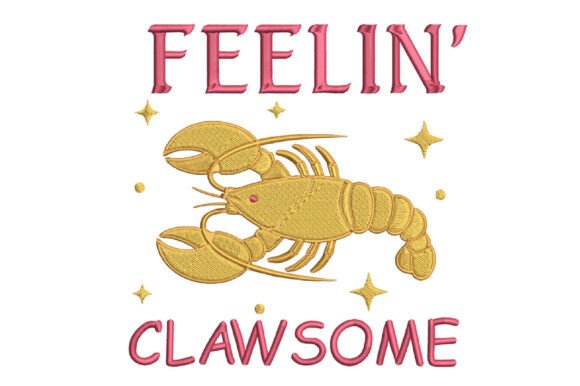
Feelin Clawsome Embroidery Design Review
As I prepare my inventory for the upcoming summer craft fair season, I am constantly evaluating which digital assets will translate best into physical sales. The Feelin Clawsome Embroidery Design immediately caught my eye as a potential bestseller for coastal and novelty markets. When reviewing a machine embroidery design for commercial production, I look beyond the screen preview to assess stitch integrity, marketability, and production efficiency. This review breaks down how this specific lobster motif performs when moved from a digital embroidery file to a finished product destined for a bustling handmade market booth.
First Impressions: Bold Humor Meets Textured Detail
My initial assessment of the Feelin Clawsome Embroidery Design is that it strikes an excellent balance between novelty and quality craftsmanship. The description highlights a "detailed, textured golden lobster," which suggests this is not merely a flat fill-stitch cartoon. For an Etsy seller or boutique maker, texture is what separates premium goods from amateur crafts. The humor in the "Feelin Clawsome" pun provides an immediate emotional hook, but it is the artistic execution that justifies a higher price point. Visually, this design feels festive and modern rustic, making it versatile enough for both tourist-heavy beach towns and local farmers' markets. It avoids looking overly juvenile, which expands the target demographic to adults seeking whimsical yet well-made summer accessories.
Top Performing Products for Craft Fair Sales
Not every embroidery file suits every blank. Based on the intricate nature of this lobster design and its humorous tone, I have identified specific products where this design will yield the highest return on investment for small shop product lines.
Tote Bags and Market Shoppers
The Feelin Clawsome Embroidery Design is ideally suited as a tote bag design. Canvas totes provide a stable, flat surface necessary for detailed texture work. At a craft fair, a large tote displayed at eye level acts as a walking billboard. The golden tones of the lobster will pop beautifully against natural unbleached canvas or navy blue cotton. Because totes are high-utility items for summer shoppers, combining practicality with humor increases the likelihood of an impulse purchase.
Kitchen Tea Towels and Aprons
For vendors focusing on home goods, tea towel embroidery and apron embroidery are strong contenders. The lobster motif aligns perfectly with coastal kitchen aesthetics. However, because this design features texture, I recommend using flour sack towels rather than terry cloth. Terry cloth piles can swallow fine stitch details, whereas smooth woven fabrics allow the golden shading to shine. Aprons also offer a fantastic canvas, particularly for customers who love hosting summer seafood boils. The placement should be centered on the chest or lower bib to ensure visibility without interfering with pocket functionality.
Embroidered Patches and Caps
If you produce embroidered patches, this design has strong potential due to its distinct outline and self-contained shape. Patches allow customers to customize their own denim jackets or bags, extending your reach beyond those buying finished goods. Regarding caps, proceed with caution. While the design is adorable, the curved surface of a hat combined with dense texture requires expert digitizing and hooping. Only attempt cap embroidery with this file if you have verified the stitch density is appropriate for curved surfaces; otherwise, stick to flat brim hats or visors.
Production Practicalities and Selling Points
When preparing for batch production, efficiency is key. The Feelin Clawsome Embroidery Design appears to be a focal point rather than a subtle accent. This works in favor of craft fair sellers because bold designs are readable from a distance across a crowded booth table. From a photography standpoint, the textured gold thread will catch natural light, making for stunning printable mockup images and listing photos. High-contrast textures photograph better than flat satin stitches, reducing the need for extensive editing.
However, repeatability depends on your equipment. Before committing to a run of fifty tea towels, verify the hoop size requirements. Large, detailed designs take longer to stitch out. Calculate your hourly profit margin carefully. If the stitch count is exceptionally high due to the texturing, ensure your pricing reflects the machine time and thread consumption. For digital sellers offering this as a commercial embroidery asset, clearly stating the dimensions and recommended fabric types helps buyers achieve professional results.
Critical Technical Considerations for Makers
Even the most beautiful embroidery file can fail if technical variables are ignored. As an experienced designer, I urge you to pay attention to these specific challenges associated with textured lobster motifs:
- Dense Stitch Areas: Textured fills often imply higher stitch density. Always test on scrap fabric first to prevent puckering. If stitching on lightweight linen, use a heavier cut-away stabilizer to support the weight of the golden threads.
- Fabric Texture Compatibility: Avoid highly textured base fabrics like waffle weave or plush terry. The competition between the fabric texture and the embroidery texture will result in a muddy visual. Smooth, tight-weave fabrics are mandatory for clarity.
- Thread Contrast and Color: The "golden" aspect of the lobster relies on sheen. Use polyester or rayon threads with high luster. Matte cotton threads may make the lobster look flat and brown rather than vibrant gold. Test thread colors against your specific blank under natural lighting.
- Small Lettering Legibility: If the phrase "Feelin Clawsome" is integrated into the graphic, check the minimum resize limit. Reducing the design too much can cause lettering to become unreadable or cause needle breaks. Maintain the aspect ratio to preserve text clarity.
- Stabilizer Selection: Do not skimp on stabilizer. For tote bags and aprons, a medium-weight cut-away is usually superior to tear-away for textured designs, as it prevents distortion during the intense needle penetration of detailed fill work.
Enhancing Booth Display and Buyer Engagement
The success of a handmade product at a market often hinges on presentation. The Feelin Clawsome Embroidery Design contributes significantly to booth strength because it serves as a conversation starter. Humor lowers buyer resistance. Position items featuring this design at the front edge of your table or on vertical displays to draw people in. Grouping the lobster totes with matching tea towels creates a cohesive collection that encourages multi-item sales.
For online sellers, leverage the seasonal appeal. Update your Etsy tags and descriptions to include relevant summer keywords. Use lifestyle shots showing the embroidered patch on a jean jacket at a beach bonfire or the tote bag filled with farmer's market produce. Contextualizing the design helps customers visualize ownership. Remember to confirm your commercial licensing terms before selling. Whether you purchased the digital embroidery file for personal use or commercial rights dictates whether you can sell the finished product legally. Always respect the designer’s terms to maintain business integrity.
Final Designer Verdict for Summer Collections
In conclusion, the Feelin Clawsome Embroidery Design is a robust candidate for summer craft fair inventories. Its combination of humor, detail, and seasonal relevance makes it a low-risk, high-reward addition to product lines ranging from apparel to home decor. By respecting the technical requirements of textured embroidery and selecting appropriate blanks, crafters can transform this digital asset into tangible bestsellers. Always create at least one real mockup before mass production to validate thread colors and placement. With proper execution, this lobster design is poised to claw its way to the top of your sales charts this season.