Happy Easter Bunny Ears Embroidery Review
As a professional embroidery digitizer and product reviewer, I approach every new machine embroidery design with a critical eye toward production viability. It is not enough for a digital file to look appealing on a screen; it must translate into clean, durable stitches on physical media. When evaluating the Happy Easter Bunny Ears Embroidery, my primary focus was how the combination of elegant script lettering and whimsical botanical accents performs in real-world applications. This design targets a specific niche within holiday embroidery, balancing festive charm with the sophistication required for boutique merchandise and high-end personalized gifts.
First Impressions and Design Aesthetics
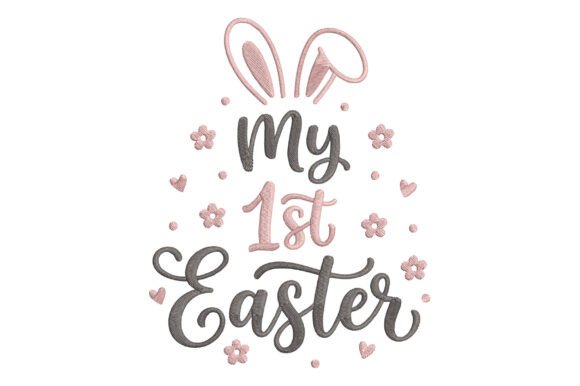
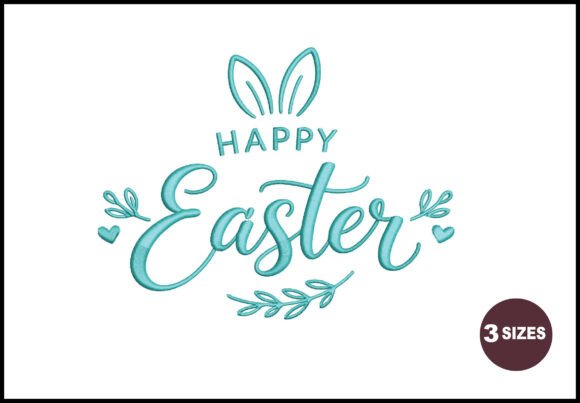
The visual personality of this embroidery file strikes a deliberate balance between playful and refined. The bunny ears serve as an immediate thematic anchor for Easter, but the inclusion of delicate botanical elements elevates it beyond standard novelty wear. From a designer’s perspective, this layout suggests versatility. It does not scream "costume"; instead, it whispers "spring collection." The script lettering appears fluid, which typically indicates a well-digitized satin stitch column, though this must always be verified during testing. The mood is soft and organic, making it particularly suitable for natural fiber projects like linen tea towels, cotton tote bag designs, or pastel nursery decor.
For Etsy sellers and small shop product creators, this aesthetic aligns perfectly with current market trends favoring cottage-core and vintage-inspired spring goods. The design feels handcrafted rather than mass-produced, which is essential for establishing value in the handmade marketplace. However, the intricate nature of the botanical accents means that scale will be your most important variable. Shrinking this design too much risks losing the definition of those delicate leaves and petals, turning distinct stitches into muddy thread clumps.
Real-World Application: Stitching a Spring Tote
To truly understand the utility of Happy Easter Bunny Ears Embroidery, I mentally walked through a recent client project involving custom canvas tote bags for a local spring market. Canvas is a textured, unforgiving fabric that demands precision. In this scenario, the design serves as the centerpiece of a reusable shopping bag intended for farmers' markets and Easter basket stuffing.
When applying this embroidery project to canvas, the interaction between the fabric texture and the stitch type becomes paramount. The script lettering likely utilizes satin columns, which can sink into loose-weave canvas if the underlay is insufficient. For my tote bag test, I would prioritize a robust cutaway stabilizer to prevent puckering around the curved bunny ears. The botanical accents, presumably executed in running stitch or light fill stitch, need to maintain tension without pulling the heavy fabric. If stitched correctly, the result is a premium finished product that justifies a higher price point than generic printed alternatives. Customers at craft fairs respond to tactile quality; they want to see crisp edges and smooth curves, not thread breaks or registration errors.
This design also shows strong potential for sweatshirt embroidery. On fleece or French terry, the softness of the bunny ears complements the cozy substrate. However, because sweatshirts are stretchy, using a fusible mesh stabilizer is non-negotiable to keep the script legible after washing. For baby embroidery on onesies or bibs, the design offers a sweet, gender-neutral option when rendered in sage greens or warm taupes, moving away from stereotypical pink and blue palettes.
Technical Considerations and Fabric Limitations
While Happy Easter Bunny Ears Embroidery is versatile, it requires careful placement. As an experienced reviewer, I must highlight where caution is necessary:
- Small Hoop Sizes: Always verify the minimum dimensions before purchasing. Script lettering combined with detailed ears often cannot be reduced below 3x3 inches without compromising readability. If you primarily use a 4x4 hoop, ensure the design fits comfortably with room for hooping margins.
- Textured and Pile Fabrics: On terry cloth towels or minky blankets, the fine details of the botanical accents may get lost. Use a water-soluble topping to keep stitches visible above the pile.
- Stretchy Knits: Performance fabrics and thin jersey knits are high-risk zones. The density of the bunny ears could cause drag or distortion. Test on scrap fabric identical to your final garment first.
- Dark Fabrics: Elegant script relies on contrast. If stitching on navy or black, ensure your thread colors provide sufficient pop. Pastel threads on dark backgrounds can sometimes look washed out unless doubled or backed properly.
- Curved Surfaces: While adorable on caps, the horizontal span of bunny ears plus text can be tricky on structured hats. Check the curvature compatibility to avoid flat spots or misalignment at the seam.
Furthermore, consider the stitch density. If this is an applique design, verify that the tack-down stitches are secure enough for frequent washing, especially for children's items. If it is purely stitched, check for excessive jump stitches that might require tedious trimming. A well-digitized file minimizes post-production labor, directly impacting your profit margins as a craft business owner.
Commercial Viability and Brand Consistency
For those selling digital embroidery files or finished goods, consistency builds trust. Happy Easter Bunny Ears Embroidery functions as excellent design assets for building a cohesive spring catalog. It pairs naturally with other floral or woodland themes, allowing you to create bundled listings or coordinated collections. When creating printable mockups for your online store, photograph the design on actual fabric rather than relying solely on digital renders. Buyers need to see how the sheen of the rayon or polyester thread interacts with light to appreciate the dimensionality of the bunny ears.
From a branding perspective, this design avoids being overly juvenile, making it appropriate for adult apparel and home decor. This broadens your target demographic significantly. Whether you are producing custom apparel for a church group, creating an embroidered patch for resale, or designing exclusive commercial embroidery for a boutique, the design’s elegance supports professional presentation. Just remember to confirm licensing terms regarding digital resale versus finished product sales before listing.
Essential Designer Notes Before You Stitch
Before loading this digital embroidery file into your machine, adhere to these professional best practices:
- Run a Physical Test: Never stitch directly onto a sellable item without a prior test run. Use similar fabric weight and weave to identify tension issues early.
- Audit Thread Contrast: View your color chart in grayscale. If the script and background blend together in black and white, they will lack definition in color. Adjust thread colors accordingly.
- Verify Stabilizer Pairing: Match your backing to the fabric stability, not just the design size. Heavier designs on lighter fabrics demand cutaway support.
- Check Licensing: Confirm whether the license permits commercial embroidery on finished products versus digital file redistribution. Protect your business by respecting intellectual property.
- Inspect Small Details: Zoom in on the software preview to check for overlapping stitches or gaps in the botanical accents that could cause needle breaks or fabric tears.
- Evaluate Washability: If intended for kitchen towels or baby clothes, perform a wash test. Ensure the satin stitches do not fray and the running stitches do not pull out.
Ultimately, Happy Easter Bunny Ears Embroidery represents a thoughtful intersection of seasonal festivity and timeless design principles. By approaching it with technical diligence and creative intention, makers can transform this digital asset into tangible, cherished items that celebrate the season with genuine craftsmanship. Whether for a beloved personalized gift or a best-selling shop item, success lies in respecting the relationship between the thread, the fabric, and the final form.