Sports Training Bib Embroidery Design Review
As an embroidery designer constantly scouting for versatile assets on Creative Fabrica, I approach every new machine embroidery design with a specific question: will this translate into a sellable boutique product? When evaluating the Sports Training Bib Embroidery Design, my focus shifted immediately from traditional athletic uniforms to the current trend of elevated streetwear. This design offers a unique opportunity to bridge the gap between functional sportswear and high-end casual apparel. For Etsy sellers and small shop owners, finding digital embroidery files that feel authentic rather than generic is crucial for building brand trust. This review breaks down how this specific design performs when adapted for sweatshirts, hoodies, and lifestyle merchandise.
Visual Personality and Stitching Mood
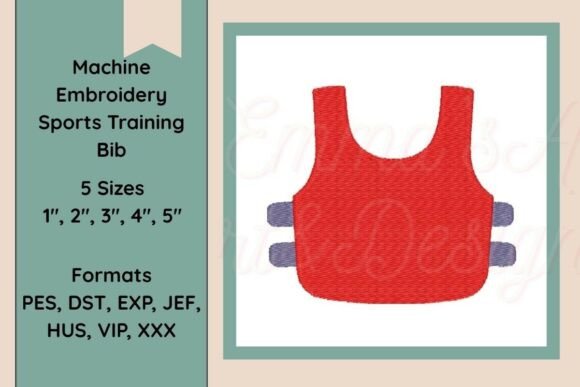
The first impression of the Sports Training Bib Embroidery Design is one of structured professionalism. Unlike novelty sports graphics that often rely on cartoonish elements or excessive gradients, this design maintains a clean, utilitarian aesthetic. The visual mood is undeniably retro-athletic, evoking the classic training gear seen in vintage team photos. For a boutique brand, this level of authenticity is valuable. It does not look like a costume; it looks like heritage apparel.
In terms of decorative strength, the design strikes a balance between bold and minimal. It possesses enough presence to serve as a primary focal point on a garment without overwhelming the fabric texture. The stitching mood feels technical and precise, which suggests that the digitizing prioritizes clean satin stitches and defined fills over chaotic underlay. This precision is essential when moving away from polyester mesh bibs and onto cotton fleece or French terry. The design carries a premium, unisex appeal that works equally well for masculine, feminine, or gender-neutral collections.
Adapting the Design for Boutique Apparel
While the product title specifies training bibs, the true value for creative entrepreneurs lies in its adaptability. Here is how I envision applying this embroidery file across a curated collection:
- Neutral Sweatshirts: Placing this design centered on the chest of an oatmeal or charcoal grey sweatshirt creates an instant "off-duty athlete" vibe. The contrast of the structured design against soft fleece elevates the perceived value of the handmade product.
- Pastel Hoodies: Softening the athletic edge by using tonal thread colors on lavender or sage green hoodies transforms the design into trendy Y2K-inspired streetwear. This application targets a younger demographic browsing Etsy for cozy seasonal outfits.
- Oversized Garments: The scale of the Sports Training Bib Embroidery Design lends itself beautifully to oversized silhouettes. On a dropped-shoulder hoodie, the design anchors the front panel without looking lost in the excess fabric.
- Tote Bags and Accessories: Beyond apparel, this design serves as excellent branding for canvas tote bags. It reinforces the active lifestyle niche, making it perfect for gym bags or market totes sold alongside clothing items.
- Denim Jackets: For a more rugged interpretation, placing the design on the back panel of a denim jacket adds a custom, varsity-letterman feel. The density of the design pairs well with the weight of denim.
Technical Considerations for Stretchy Fabrics
Transitioning a design intended for stable mesh onto knit fabrics requires careful technical planning. As professional embroiderers know, the success of sweatshirt embroidery depends heavily on stabilization and density management. Because the Sports Training Bib Embroidery Design likely features solid fill areas typical of athletic lettering and shapes, you must be vigilant about fabric distortion.
When working with fleece or ribbed fabric, always use a high-quality cut-away stabilizer. A tear-away may not provide sufficient support for the stitch density, leading to puckering around the edges of the design. I recommend testing on a scrap piece of your exact garment fabric before committing to production. Pay close attention to how the design interacts with the ribbing on cuffs or waistbands; avoiding these highly elastic areas is usually best unless you are experienced with heavy stabilization.
Thread color contrast also plays a significant role in the final presentation. On dark garments, ensure your underlay is optimized to prevent the fabric color from bleeding through lighter threads. Conversely, on light garments, verify that dark thread areas have adequate coverage. Always confirm the hoop size requirements listed in the Creative Fabrica product details to ensure your machine can accommodate the full design without needing to resize, which can alter stitch integrity.
Enhancing Brand Identity and Buyer Trust
In the saturated market of custom apparel, consistency is key to buyer trust. Using a cohesive design language helps customers recognize your small shop products instantly. The Sports Training Bib Embroidery Design contributes to a professional presentation because of its clean lines and intentional styling. It avoids the cluttered look of poorly digitized freebies, signaling to customers that your boutique brand invests in quality assets.
This design also aids in creating compelling printable mockups and social media graphics. Its distinct shape reads clearly even in thumbnail images on Instagram or Pinterest. When photographing finished products for Etsy listings, the design’s structured nature provides a natural focal point for flat lays and lifestyle shots. Customers can easily visualize the placement and scale, reducing hesitation and increasing conversion rates. Furthermore, offering commercial embroidery products with such a polished aesthetic justifies a higher price point compared to basic text-only embroidery.
Practical Designer Notes for Production
Before adding this digital embroidery file to your production queue, consider these practical steps to ensure commercial success:
- Verify Licensing: Always review the specific license terms on Creative Fabrica. Ensure you have the rights to sell finished physical apparel, as terms can vary between personal and commercial use.
- Check File Formats: Confirm that the download includes the specific format compatible with your embroidery machine (e.g., PES, DST, JEF). Do not assume all formats are included.
- Test Stitch Density: Run a sew-out on similar fabric texture. If the design feels too stiff or bulletproof on a lightweight t-shirt, consider using a lighter weight thread or adjusting density settings in your software if permitted.
- Evaluate Placement Options: While chest placement is standard, test sleeve accents or lower hem placements. Unique positioning can differentiate your hoodie design from competitors.
- Inspect Tiny Lettering: If the design includes small text elements common in sports graphics, verify legibility after washing. Athletic fonts can sometimes close up on plush fabrics; a test wash is mandatory for quality assurance.
- Document Your Process: Keep notes on which stabilizers and needles worked best with this specific Sports Training Bib Embroidery Design. This builds your own internal knowledge base for future batches.
Ultimately, the Sports Training Bib Embroidery Design represents more than just a graphic for athletic wear; it is a foundational element for building a cohesive, sport-luxe collection. By treating this machine embroidery design with the same technical respect as high-fashion embellishments, apparel decorators can create pieces that resonate with modern consumers seeking both comfort and style. Whether you are preparing a drop for an online shop or fulfilling custom team orders, this design offers the versatility and professional finish necessary to stand out in the handmade marketplace.