Swan Embroidery Design: A Professional Review
As an experienced embroidery designer specializing in commercial merchandise and branded assets, I approach every new machine embroidery design with a critical eye toward production viability. When evaluating the Swan Embroidery Design for small business applications, my primary focus is not just aesthetic appeal, but how the digitizing translates across various substrates used in professional settings. This review examines the technical performance and branding potential of this specific embroidery file for shops, boutiques, and creative studios looking to elevate their merchandise.
First Impressions: Elegance Meets Commercial Utility
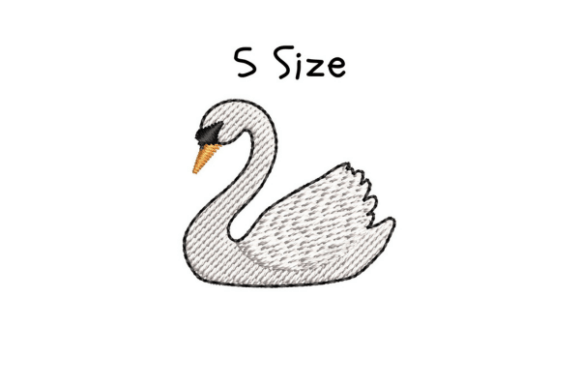
Upon reviewing the Swan Embroidery Design, the immediate impression is one of refined elegance suitable for premium branding. In the Animals category, swans often symbolize grace and purity, making this motif exceptionally versatile for businesses that want to convey trust and quality. Unlike overly complex or cartoonish animal designs, this silhouette offers a clean visual weight that reads well as a logo accent or standalone mark. For a florist, bakery, or bridal boutique, the design strikes a balance between decorative art and professional insignia. It avoids excessive detail that might get lost on textured fabrics, suggesting the digitizer understood the need for clarity in commercial embroidery. The availability of five sizes is a significant advantage for business owners who need visual consistency across disparate items like caps, aprons, and packaging.
Real-World Applications for Small Business Merch
The true test of any digital embroidery file is its adaptability. Based on the structure of the Swan Embroidery Design, here is how it performs in specific business scenarios:
- Boutique Staff Uniforms: As a left-chest logo on polo shirts or blouses, the medium size provides sufficient presence without overwhelming the garment. The design’s flow complements the drape of apparel fabrics.
- Café and Bakery Aprons: Apron embroidery requires durability. This design works beautifully as a pocket accent or centered bib placement. Its solid fill areas (if present) or satin outlines hold up well against the heavier canvas typically used for aprons.
- Retail Tote Bags: For tote bag design, the larger size options allow the swan to serve as a primary brand identifier. Canvas and linen bags provide a stable base that showcases the stitch definition clearly.
- Promotional Caps: Cap embroidery is notoriously difficult due to curvature. If utilizing this design for headwear, select the smallest size to prevent distortion on the curved front panel. The vertical orientation of a swan neck can sometimes be challenging on caps, so centering is crucial.
- Branded Patches: Creating an embroidered patch from this file is highly feasible. The distinct shape allows for easy merrowing or laser cutting. These patches can be applied to denim jackets, beanies, or backpacks as add-on merchandise.
Technical Considerations and Fabric Limitations
While the Swan Embroidery Design is versatile, professional results depend on respecting technical limitations. Not every fabric accepts every design equally. Business owners must consider stitch density relative to the material. If the design features dense satin stitches or heavy fills, it may cause puckering on lightweight performance wear or sheer fabrics. Conversely, on high-pile fleece or terry cloth, fine details may sink into the fabric texture, rendering the swan indistinct.
Stabilization is non-negotiable. The product description explicitly advises ensuring proper stabilization to achieve a beautiful finish. For structured items like caps or stiff tote bags, a cutaway stabilizer is often necessary to support the design long-term. For lighter knits, a no-show mesh prevents the outline from showing through the garment. Always verify the hoop size requirements for each of the five included sizes before purchasing; nothing halts production faster than realizing your machine cannot accommodate the largest version of the design.
Color Contrast and Thread Selection
Brand identity relies heavily on color accuracy. When adapting the Swan Embroidery Design, consider the contrast between thread colors and the base fabric. A white swan on a cream shirt lacks visibility and appears unprofessional. Test high-contrast combinations first. If your brand uses specific Pantone shades, confirm that available rayon or polyester threads match closely. Remember that thread sheen affects perception; matte threads offer a modern, rustic look, while high-sheen rayon enhances the traditional elegance associated with swans.
Impact on Brand Identity and Customer Perception
Incorporating the Swan Embroidery Design into your product line does more than decorate; it signals intentionality. Customers associate high-quality embroidery with established, trustworthy businesses. A crisp, well-executed swan on a handmade product tag or staff uniform elevates the perceived value of the entire brand. It transforms generic merchandise into proprietary small business merch that customers are proud to wear or display.
Visual consistency builds recognition. Using the same design asset across your Etsy shop banner, printable mockup, and physical products creates a cohesive experience. When a customer sees the swan on your packaging and then on your Instagram feed, it reinforces memory and trust. However, poor execution—skipped stitches, misalignment, or inappropriate sizing—can damage that trust instantly. This is why treating this embroidery file as a professional asset rather than a casual craft project is essential.
Designer Notes: Pre-Production Checklist
Before running a full production batch using the Swan Embroidery Design, follow this professional workflow to mitigate risk:
- Verify Licensing: Confirm the license terms allow for commercial use on merchandise intended for sale. "Instant Download" does not automatically imply unlimited commercial rights for branded goods.
- Run a Stitch-Out Test: Never embroider directly onto final inventory first. Test on scrap fabric that matches your production material weight and weave.
- Check Registration: Inspect the test run for alignment issues between color changes. Gaps between outlines and fills indicate digitizing problems or stabilizer failure.
- Evaluate Washability: If producing uniforms or aprons, wash and dry the test sample. Some designs distort after laundering if the underlay was insufficient.
- Create Client Mockups: Use a printable mockup or digital visualization to get client approval on placement and size before stitching. This manages expectations regarding the final scale.
- Compare Design Assets: Place the swan beside your text logos or other icons. Ensure the visual weight is balanced so the swan doesn't overpower or disappear next to existing design assets.
Final Verdict for Commercial Use
The Swan Embroidery Design represents a strong candidate for businesses seeking a sophisticated, nature-inspired emblem. Its inclusion of five sizes demonstrates foresight for multi-product branding, from delicate sleeve cuffs to bold tote statements. Success lies in the application: respect the stabilization requirements, choose appropriate fabrics, and validate the design through rigorous testing. When executed correctly, this design serves as a powerful tool for enhancing custom apparel and establishing a memorable, elegant brand presence in the competitive handmade and retail markets. Always prioritize technical precision to ensure the finished product reflects the professionalism your business deserves.