Flower Watering Can Embroidery Design Review
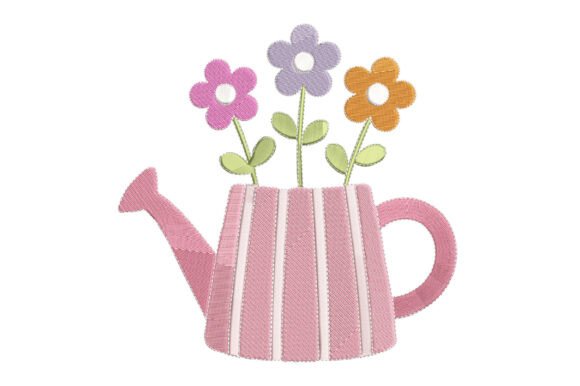
As a professional embroidery designer specializing in commercial branding and merchandise production, I approach every new machine embroidery design with a critical eye toward production viability. When evaluating the Flower Watering Can Embroidery Design for small business applications, my primary focus is not just on its aesthetic charm, but on how it translates from a digital screen to a tangible, sellable asset. This design features a cute watering can filled with colorful flowers, creating a charming garden-inspired pattern that immediately signals warmth and cultivation. However, for business owners, Etsy sellers, and apparel decorators, the true value lies in its versatility across different substrates and its ability to maintain integrity during high-volume commercial embroidery runs.
Visual Personality and Brand Alignment
The first impression of the Flower Watering Can Embroidery Design is undeniably friendly and approachable. In the context of brand identity, this visual tone is exceptionally valuable for businesses that rely on community trust and organic connection. Unlike rigid corporate logos, this motif suggests growth, care, and attention to detail. For a local florist, a boutique bakery, or a plant shop, this imagery aligns perfectly with their core values. Even for non-botanical businesses like pet groomers or creative studios, the "nurturing" aspect of a watering can serves as a subtle metaphor for service and care.
From a design structure perspective, the combination of the vessel and the Single Flowers element creates a balanced composition. The watering can provides a solid base and clear outline, which is crucial for digitizing stability, while the flowers offer opportunities for vibrant thread colors that can be customized to match specific brand palettes. This balance prevents the design from looking too sparse at larger sizes or too cluttered when scaled down for small business merch.
Performance Across Merchandise Applications
When integrating this embroidery file into a product line, versatility is key. I have evaluated this design against several common business use cases:
- Apron Embroidery: This is perhaps the strongest application. The vertical orientation of a watering can fits naturally on the chest pocket area or center bib of an apron. The design’s density is typically sufficient to stand out against heavy canvas or denim without causing excessive puckering, provided the correct stabilizer is used.
- Tote Bag Design: For eco-friendly retail packaging or customer gifts, this design works beautifully on natural cotton canvas. The garden theme reinforces the sustainability message often associated with tote bags. As a tote bag design, it offers a large enough surface area to showcase the intricate floral details without losing definition.
- Embroidered Patch Production: Many businesses prefer patches for uniforms because they are interchangeable. The Flower Watering Can Embroidery Design has distinct boundaries that make it ideal for merrowed edge patches. The solid fill of the can body provides excellent coverage for patch backing, ensuring durability.
- Custom Apparel and Staff Uniforms: On polo shirts or work tees, this design serves as a softer alternative to text-only logos. It adds personality to staff uniforms, making employees appear more welcoming to customers.
Technical Considerations for Production
While the aesthetic is charming, technical execution determines profitability. As an experienced digitizer, I must highlight specific areas where caution is required when running this digital embroidery file in a production environment.
Cap Embroidery Challenges
Using this design for cap embroidery requires careful assessment. Caps present a curved, structured surface that distorts flat designs. If the Flower Watering Can Embroidery Design includes wide satin stitches spanning the width of the can handle or tall flower stems, these may pull or gap on a curved brim. Before committing to bulk cap production, verify the stitch direction and underlay. You may need to request a modified version with split satins or increased underlay specifically for headwear to prevent registration issues.
Scaling and Small Patch Sizes
There is a temptation to shrink cute designs for sleeve cuffs or tiny labels. However, reducing this design below a certain threshold can compromise legibility. The individual petals within the Single Flowers category elements may merge into indistinct blobs if the stitch density becomes too high relative to the size. Always check the minimum recommended size in the file specifications. If you intend to use this as a 2-inch logo, ensure the digitizer has created a specific small-size variant rather than simply shrinking the standard file.
Fabric Texture and Stabilization
The interaction between fabric texture and thread is critical. On smooth fabrics like poplin, the design will render crisply. On textured fabrics like linen or terry cloth, the fine details of the flowers may get lost. For these materials, use a water-soluble topping to keep the stitches above the fabric nap. Conversely, on stretchy knits for custom apparel, a cut-away stabilizer is mandatory to prevent the watering can shape from warping after washing. Never rely solely on tear-away backing for knit merchandise, as the design will distort over time.
Impact on Business Value and Customer Perception
Investing in high-quality design assets like this directly influences perceived product value. A well-executed Flower Watering Can Embroidery Design elevates a plain item to a premium handmade product status. Customers associate detailed, clean embroidery with quality craftsmanship. When a café uses this design on their merchandise, it tells a story of intentionality. It moves beyond generic branding into emotional engagement.
Furthermore, consistency builds recognition. Using this same motif across aprons, packaging, and event merch creates a cohesive visual language. This consistency fosters trust; customers recognize the symbol and associate it with the positive experience of your business. For Etsy sellers, this design can serve as a signature mark that distinguishes your listings from competitors using stock clip art. It transforms a commodity into a branded experience.
Designer Notes for Pre-Production Testing
Before launching any product line featuring the Flower Watering Can Embroidery Design, follow this professional testing protocol to avoid costly mistakes:
- Create a Printable Mockup: Before stitching, place a printable mockup of the design on photos of your actual blank products. Verify placement and scale visually. Does the watering can sit correctly on the apron pocket? Is it centered on the tote?
- Test Thread Color Contrast: Do not assume screen colors match reality. Stitch out a color chart. Ensure the flowers contrast sufficiently against the can body and the garment color. Low contrast kills visibility in retail environments.
- Verify Hoop Size Compatibility: Confirm the design dimensions fit comfortably within your machine’s hoop size with adequate margin for the presser foot. Running a design at the absolute maximum hoop limit increases the risk of frame slips and misalignment.
- Wash Test: Embroider the design on your intended final fabric and wash it three times. Inspect for thread shrinkage, color bleeding, or stabilizer residue. A finished product that falls apart after one wash destroys brand reputation.
- Confirm Commercial Licensing: This is non-negotiable. Verify that the embroidery file license permits commercial use on merchandise for sale. Some licenses restrict usage to personal crafting or limit the number of units produced. Protect your business by reading the terms before selling.
- Black and White Test: Stitch the design in a single dark color on white fabric. This reveals the underlying structure and density map without the distraction of color changes. Look for gaps, poor tie-offs, or excessive jump stitches that need editing.
The Flower Watering Can Embroidery Design offers significant potential for businesses seeking a warm, organic aesthetic. By treating it as a production asset rather than just a decoration, and by respecting the technical requirements of Embroidery on various substrates, you can create merchandise that resonates with customers and stands up to the rigors of daily use. Always prioritize testing and quality control to ensure your branded items reflect the excellence of your business.