Mimosa Flower Embroidery Design: A Maker’s Review
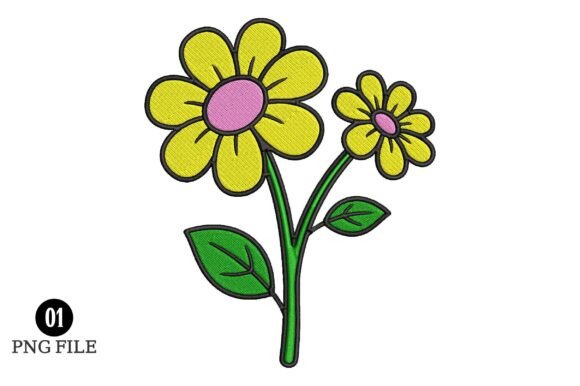
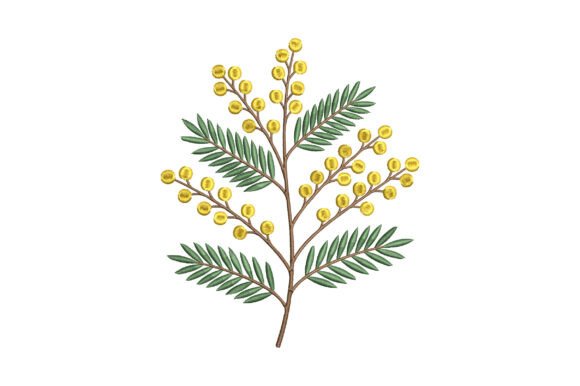
As an embroidery designer who constantly evaluates new assets for both personal creativity and commercial production, I approach every botanical file with a specific set of criteria. It is not enough for a design to look pretty on a screen; it must translate into stitches that hold up against fabric texture, washing, and customer scrutiny. When I first loaded the Mimosa Flower Embroidery Design into my software, I was looking for more than just a floral motif. I was assessing whether this specific arrangement of yellow blossoms and green foliage could serve as a reliable staple in a professional embroidery workflow.
The initial impression of this machine embroidery design is one of delicate balance. Unlike heavy, dense florals that can distort lightweight fabrics, the Mimosa Flower Embroidery Design appears to prioritize an airy, organic aesthetic. The layout suggests a natural growth pattern rather than a rigid, digitized symmetry. For those of us creating handmade products or personalized gifts, this visual personality is crucial. It signals "botanical" and "artisanal" rather than "mass-produced." However, visual appeal is only the starting point. My review focuses on how this digital embroidery file performs when the needle actually hits the fabric.
Real-World Application: The Linen Tote Bag Test
To truly evaluate this design, I mentally placed it in a real-life production scenario. Imagine preparing a custom embroidered tote bag for a spring boutique collection or a bridal party gift. Linen and canvas are popular choices for these items because of their natural texture and durability, but they present unique challenges for detailed botanical work.
In this context, the Mimosa Flower Embroidery Design shines as a focal point without overwhelming the utility of the bag. The yellow mimosa blossoms provide a cheerful pop of color that photographs exceptionally well for Etsy listings and social media marketing. From a construction standpoint, the interplay between the fill stitch used for the flower heads and the likely satin stitch or running stitch outlines for the stems creates necessary dimension. On a textured linen, a flat design disappears. This design seems structured to sit on top of the weave, ensuring the botanical details remain crisp even after the bag has been used and washed.
For small shop owners and craft business entrepreneurs, this versatility is key. The same embroidery file that works beautifully on a tote bag can often be resized for sweatshirt embroidery or adapted for baby clothes. The mood of the mimosa—soft, sunny, and gentle—makes it particularly suitable for nursery decor and spring apparel. It avoids the overly formal tone of roses or lilies, making it accessible for everyday custom apparel and casual holiday embroidery projects.
Fabric Compatibility and Technical Considerations
While the Mimosa Flower Embroidery Design is versatile, no single design is universal. As experienced makers know, understanding where not to use a design is just as important as knowing where to use it. Based on the visual density and typical digitizing styles for single flowers, here are practical cautions for your next embroidery project.
- Stretchy Knits and Performance Wear: If you plan to use this for activewear or thin t-shirts, proceed with caution. Botanical designs with detailed leaves can sometimes cause puckering on unstable knits if the stitch density is too high or the underlay is insufficient. Always test on scrap fabric with the appropriate stabilizer before committing to a finished product.
- Dark Fabrics: Yellow thread on dark navy or black fabric creates high contrast, which is visually striking but technically unforgiving. Any registration issues between the yellow blossoms and green leaves will be immediately visible. Ensure your machine tension is dialed in perfectly, or consider using a lighter background fabric or an applique design variation if available.
- Curved Surfaces: While this design would make a lovely accent on a cap or hat, verify the hoop size and physical dimensions first. Detailed corners and tiny leaf tips can get lost or distorted on the curved surface of a structured cap. This design may be better suited for flat brims or unstructured beanies where the embroidery area is more stable.
- Frequent Washing: For items like kitchen towels, aprons, or baby bibs, durability is paramount. Check the stitch type. Long satin stitches on leaves may snag over time. If the design uses shorter satin stitches or fill stitches for the foliage, it will withstand commercial laundering and frequent home washing much better.
Elevating Product Value and Brand Consistency
For Etsy sellers and creative entrepreneurs, the choice of embroidery design directly impacts perceived value. Customers can distinguish between generic clip-art embroidery and thoughtful, high-quality digitizing. The Mimosa Flower Embroidery Design contributes to a cohesive brand identity, especially for shops focusing on cottagecore, botanical, or sustainable aesthetics.
When creating printable mockups or digital product previews, the distinct shape of the mimosa allows for easy recognition even at thumbnail size. This aids buyer engagement and helps your listings stand out in crowded search results. Furthermore, offering this as part of a curated collection of single flowers establishes professionalism. Buyers trust shops that demonstrate an eye for detail and color harmony. Whether you are selling the finished embroidered patch, the custom apparel, or the digital embroidery file itself (if licensing permits), the elegance of this design supports a higher price point and stronger customer loyalty.
Essential Designer Notes Before Stitching
Before you hoop up your fabric, take these practical steps to ensure success with the Mimosa Flower Embroidery Design. These habits separate hobbyists from professionals and prevent costly mistakes on blank merchandise.
- Verify Specifications: Since exact stitch counts, file formats, and hoop sizes vary by vendor, always check the technical sheet included with your purchase. Confirm the design fits your specific machine’s hoop capabilities before starting.
- Thread Color Matching: "Yellow" and "Green" are subjective. Review the recommended thread colors against your physical inventory. Mimosa blossoms range from pale lemon to deep gold; selecting the right shade affects the realism of the final piece. Test thread contrast on both light and dark backgrounds.
- Stabilizer Selection: Match your stabilizer to your fabric texture. Use cut-away for stretchy knits and tear-away for stable wovens. For sheer or delicate fabrics where shadowing might occur, consider a water-soluble topping to keep the stitches crisp.
- Licensing Compliance: If you intend to sell items made with this design or resell the file as a digital asset, confirm the license terms explicitly. Commercial embroidery rights differ from personal use rights, and protecting your business means respecting intellectual property.
- Test Stitch-Out: Never skip the test run. Stitch the design on a scrap of the actual fabric you intend to use. Inspect the registration, density, and overall feel. Does the fabric pucker? Are the details clear? Is the back neat enough for baby clothes or unlined garments?
The Mimosa Flower Embroidery Design offers a beautiful opportunity to add warmth and sophistication to your catalog. By approaching it with a critical, maker-focused mindset, you ensure that every stitch serves both the art and the function of your work. Whether you are crafting a personalized gift for a loved one or scaling production for a busy season, this botanical design has the potential to become a beloved staple in your embroidery repertoire. Remember that great embroidery is a marriage of digital precision and tactile reality; treat this design with the respect it deserves, and it will reward you with stunning, professional results.