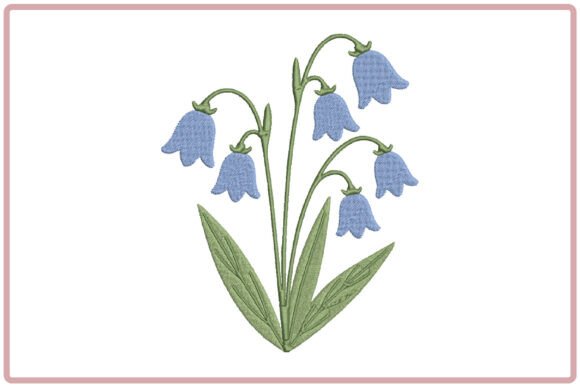
Bluebell Flower Embroidery Design Review
Evaluating Springtime Elegance for Craft Fair Sales
As I prepare my booth inventory for the upcoming weekend craft fair, I am critically reviewing every digital embroidery file in my library to determine what will actually convert foot traffic into sales. The Bluebell Flower Embroidery Design has caught my attention as a potential anchor for my spring collection. When evaluating a machine embroidery design for commercial production, I look beyond the screen preview and focus on stitch integrity, marketability, and production efficiency. This specific floral motif promises delicate beauty, but as an experienced designer, I need to verify if that elegance translates to physical products like tote bags, aprons, and tea towels that customers are willing to purchase at a handmade market.
My first impression of the Bluebell Flower Embroidery Design is one of soft sophistication rather than bold novelty. It reads as elegant and botanical, fitting perfectly into the "cottagecore" or modern farmhouse aesthetics that currently dominate Etsy seller trends and boutique markets. Unlike generic clip-art florals, this design features a cluster of graceful, bell-shaped blue flowers that suggest movement and organic growth. For a craft fair product, this visual softness is a strategic advantage. It appeals to buyers looking for refined, giftable handmade items rather than loud, mass-produced merchandise. However, because the aesthetic relies on delicacy, the execution must be flawless; any tension issues or poor registration will immediately degrade the perceived value of the finished product.
Best Product Applications for Market Booths
Determining where to place this design is just as important as the design itself. Based on the cluster composition and elegant nature of the Bluebell Flower Embroidery Design, I have identified specific high-value applications for my booth display:
- Linen Tea Towels: This is likely the strongest performer. The vertical orientation of bluebells complements the rectangular shape of a towel. On light-colored linen or cotton waffle weave, the blue thread colors will pop without competing with fabric texture. This makes for an excellent small shop product that encourages impulse buys.
- Canvas Tote Bags: As a tote bag design, the bluebell cluster works best as a lower-corner accent or a centered chest-level placement on smaller market bags. Avoid placing it too low where it might get obscured when the bag is carried. The natural theme pairs beautifully with unbleached canvas, signaling eco-friendly vibes to shoppers.
- Garden Aprons: For apron embroidery, this design adds a touch of feminine practicality. I would position the cluster on the bib or the upper hip pocket area. It elevates a utilitarian item into a premium handmade product suitable for gifting to gardeners or bakers.
- Embroidered Patches: If the design digitizing allows for a clean border, this could serve as a standalone embroidered patch. Patches are high-margin add-ons at craft fairs. However, ensure the satin stitch borders are wide enough to prevent fraying on denim jackets or caps.
- Pillow Covers: For home decor, this design offers a seasonal refresh. A single large cluster or a mirrored repeat creates a balanced focal point. This application targets the higher price point buyer looking for unique interior accents.
Production Practicalities and Selling Points
From a business perspective, the Bluebell Flower Embroidery Design needs to be production-friendly. Batch producing for a market requires consistency. I appreciate that this design appears to be scalable as both a focal point and an accent. This versatility means I can use the same embroidery file across multiple product types, maximizing my return on design assets. Photographing these items for online listings is also straightforward; the distinct blue hue against neutral backgrounds creates high-contrast images that perform well in Etsy search results and social media feeds. A printable mockup featuring this design can also drive pre-orders before I even commit to stitching full inventory.
However, visual appeal must be balanced with technical reality. Customers engage longer with products that show clear definition. If the bluebells lose their bell shape due to poor density or scaling, the buyer engagement drops. The design’s success hinges on maintaining that recognizable silhouette across different fabrics. For commercial embroidery, repeatability is key. I need to confirm that the stitch count allows for a reasonable run time so my profit margins remain healthy while still delivering a premium look.
Critical Technical Considerations for Embroiderers
Before loading this digital embroidery file into my machine for bulk production, several technical factors require careful assessment. Delicate floral designs are often more unforgiving than bold lettering or solid fills.
- Fabric Texture Compatibility: Bluebells rely on fine details. Highly textured towels or slubbed linens can swallow small stitches. If using textured fabric, consider adding a water-soluble topping to keep the stitches crisp. On smooth fabrics, ensure the stabilizer provides enough support to prevent puckering around the cluster.
- Stitch Density and Fabric Weight: Check the stitch density relative to your chosen material. A dense cluster on lightweight voile may cause tearing, while sparse stitching on heavy canvas may look cheap. Always test on scrap fabric identical to your finished product.
- Thread Color Accuracy: The description specifies "blue flower," but monitor calibration varies. Verify your thread colors against the physical design chart. A variegated blue thread might add depth to the petals, whereas a solid navy might make the design look flat. Test different thread brands to find the perfect botanical match.
- Hoop Size and Placement: Confirm the hoop size requirements before purchasing or stitching. Ensure there is adequate margin for hooping, especially on pre-made items like caps or pouches. Curved surfaces like caps require specialized stabilization and potentially a modified version of the design to prevent distortion.
- Small Detail Clarity: If resizing down for patches or baby items, inspect tiny elements like stamens or leaf veins. These may need to be removed or simplified to prevent needle breaks or thread bunching. Never assume a design scales infinitely without adjustment.
Designer Notes for Commercial Success
To ensure the Bluebell Flower Embroidery Design becomes a profitable asset for your handmade business, treat the preparation phase as seriously as the selling phase. Always create at least one real mockup on the actual product you intend to sell. Digital previews cannot replicate how light hits rayon or polyester thread on matte cotton. Compare fabric colors in natural daylight, as booth lighting and outdoor sun render blues differently.
Furthermore, review the licensing terms associated with the embroidery file. While many designers allow for physical product sales, some restrict digital redistribution or limit production quantities. Confirm commercial embroidery rights before listing items on Etsy or setting up your booth signage. Finally, inspect your stabilizer choices. Using the wrong backing is the fastest way to ruin a beautiful design. For structured items like caps or tote bags, cut-away stabilizer usually offers better long-term durability than tear-away options.
Ultimately, the Bluebell Flower Embroidery Design holds significant promise for spring markets. Its elegant, clustered composition aligns with current buyer preferences for soft, nature-inspired goods. By respecting the technical demands of floral digitizing and strategically applying the design to high-value products like tea towels and garden aprons, you can transform this digital file into a tangible bestseller. Remember that in the handmade market, quality is your primary marketing tool. A perfectly stitched bluebell tells the customer that you care about every detail, building the trust necessary for repeat business and brand loyalty.