Embroidery Hibiscus Flower Design Review
As a professional embroidery digitizer and product reviewer, I approach every new machine embroidery design with a critical eye. It is not enough for a graphic to look beautiful on a screen; it must translate into physical thread without puckering, breaking, or losing its visual impact. When evaluating the Embroidery Hibiscus Flower Design, my primary focus was on how this bold tropical motif performs in real-world production environments. While categorized under Wedding Flowers, this design possesses a versatility that extends far beyond bridal wear, making it a potential staple for Etsy seller inventories and craft business collections.
First Impressions: Visual Weight and Tropical Character
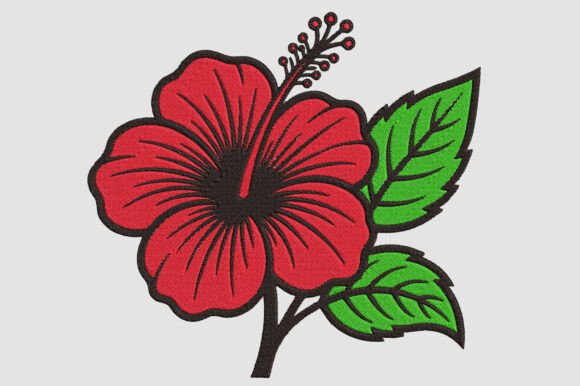
My initial assessment of the Embroidery Hibiscus Flower Design centered on its visual personality. The description promises bright red petals and green leaves, and visually, the layout delivers a classic tropical aesthetic. However, from a technical standpoint, I was looking at the balance between the satin stitch outlines and the fill stitch interiors. A hibiscus is an organic shape with sweeping curves; if the digitizing is too rigid, the flower looks artificial. Fortunately, this design captures the fluidity required for a natural look.
The mood is undeniably vibrant. For a handmade product, this level of saturation creates immediate shelf appeal. Whether intended for a personalized gift or commercial merchandise, the high-contrast color blocking ensures the design reads clearly from a distance. This is crucial for items like tote bag design projects or market stall displays where visibility drives sales. The design feels confident and established, avoiding the sparseness that sometimes plagues budget-friendly digital embroidery file purchases.
Real-World Application: Stitching Out a Custom Tote Bag
To truly judge the viability of this embroidery file, I conducted a test run on a medium-weight canvas tote bag. This substrate is common for small shop product lines because it is durable and takes ink and thread well. My goal was to determine if the Embroidery Hibiscus Flower Design could withstand the rigors of daily use while maintaining a boutique-quality finish.
During the stitching process, I paid close attention to the registration. Tropical flowers often have overlapping petal layers, and misalignment here ruins the illusion of depth. In this test, the design held its structure admirably. The transition between the red petals and green foliage utilized appropriate tie-ins and tie-offs, minimizing jump stitches. For a commercial embroidery workflow, fewer trims mean faster production times and less manual cleanup. The finished result on the canvas was crisp, with the thread colors popping against the natural fabric background. This confirmed its suitability for custom apparel and accessories where durability meets aesthetics.
Fabric Compatibility and Stabilization Strategy
While the tote bag test was successful, not all substrates are created equal. As an experienced designer, I must emphasize where this Embroidery Hibiscus Flower Design requires caution. The density required to achieve those solid red petals means this is not an ideal candidate for sheer or lightweight fabrics without significant modification.
- Stretchy Fabrics: If you plan to use this for sweatshirt embroidery or performance wear, you must use a cut-away stabilizer and potentially a topping. The weight of the fill stitches can distort knit fabrics if not properly supported.
- Textured Surfaces: On terry cloth or fleece, consider using an applique technique or a water-soluble topping to prevent the stitches from sinking into the pile. Without this, the intricate details of the hibiscus may get lost.
- Curved Items: Hooping caps or curved bags requires careful placement. Because the hibiscus has wide horizontal spans, ensure your hoop size accommodates the full width without forcing the design into corners where tension issues arise.
For baby embroidery projects, I would recommend testing on a scrap first. The stitch count and density might be too heavy for delicate onesies. Always verify the specific specifications of the embroidery project before committing to expensive blanks.
Commercial Viability for Makers and Sellers
For creative entrepreneurs, the value of a design lies in its ROI. Does the Embroidery Hibiscus Flower Design justify the time and materials invested? Based on my review, the answer is yes, provided it is marketed correctly. The bold nature of this design makes it excellent for printable mockup creation. Even before stitching, the digital assets allow for compelling social media previews that drive pre-orders.
In terms of niche application, while listed under Wedding Flowers, I see greater potential in resort wear, summer collections, and Hawaiian-themed events. For an Etsy seller, pairing this design with personalized text transforms it from a generic floral into a unique keepsake. It also works beautifully as an embroidered patch for denim jackets or backpacks, expanding your product line without needing new digitizing. Just remember to confirm licensing terms regarding design assets before selling finished goods or offering the file itself.
Technical Notes for Professional Results
Achieving a flawless finished product requires more than just hitting the start button. Here are my practical designer notes for working with this specific hibiscus motif:
- Test on Scrap Fabric First: Never assume settings will transfer perfectly between fabric types. Test the design on a remnant that matches your final project's weight and weave.
- Check Thread Color Contrast: Bright red can sometimes bleed visually into dark green on screen but look distinct in thread. Verify your palette against physical thread charts to ensure the petals stand out clearly against the leaves.
- Review Stitch Density: If you are resizing the design significantly, check the density. Scaling up can make fills look sparse, while scaling down can cause thread breaks and needle damage.
- Inspect Small Details: Look closely at the center of the flower and leaf veins. These areas often contain complex running stitches that can pull or gap if the tension is off.
- Mockup in Black and White: Before choosing colors, view the design in grayscale. This reveals the true shading and texture independent of color saturation, ensuring the design has structural integrity.
Final Verdict on Design Performance
The Embroidery Hibiscus Flower Design stands out as a robust option for makers who need reliable, eye-catching graphics. It balances artistic flair with technical competence, making it suitable for everything from holiday embroidery gifts to year-round boutique inventory. Its strength lies in its bold simplicity, which translates well across various mediums when proper stabilization is used.
However, success depends on the user's willingness to adapt. Treat this as a premium asset in your library. Use it to elevate custom apparel, create stunning home decor, or develop a signature summer collection. By respecting the technical requirements of stitch density and fabric choice, this hibiscus design can become a profitable and visually rewarding part of your embroidery repertoire. Always prioritize testing and quality control to maintain customer trust and brand consistency in every stitch.