Reviewing the Minimal Cactus Embroidery Design
As an embroidery designer who has stitched out thousands of patterns for custom orders, I approach every new machine embroidery design with a critical eye. When planning inventory for a personalized gift shop, we cannot rely solely on how a digitized file looks on a computer screen. We must consider how it translates to fabric, how it holds up to washing, and whether it possesses that intangible quality that makes a customer say, "I need this." Recently, I tested the Minimal Cactus Embroidery Design specifically to evaluate its potential for our upcoming line of modern, aesthetic gifts. While categorized under Single Flowers, this succulent pattern offers a distinct departure from traditional floral motifs, bringing a clean, calming vibe that is currently dominating market trends.
First Impressions: Modern Charm and Emotional Appeal
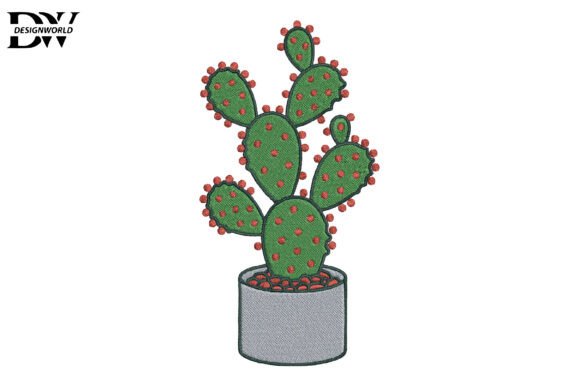
My first impression of the Minimal Cactus Embroidery Design was one of immediate versatility. Unlike dense, complex botanical patterns that can feel heavy or dated, this design embraces negative space. The mood is undeniably modern yet retains a sweet, handmade warmth. For a gift shop owner or Etsy seller, this balance is crucial. It feels elegant enough for a wedding keepsake but playful enough for a nursery item. The desert-inspired style suggests resilience and growth, adding an emotional layer that resonates with customers seeking meaningful personalized gift options. It does not scream for attention; rather, it invites a closer look, which is exactly what we want in high-perceived-value custom embroidery.
Real-World Application: From Nursery to Kitchen
To truly test this embroidery file, I planned a series of stitch-outs mimicking real customer requests. The minimal nature of the cactus makes it exceptionally strong for baby embroidery. I tested it on a soft cotton muslin blanket, and the result was stunning. Because the design is not overly dense, it did not create a stiff, bulletproof patch on the delicate fabric. This is a common failure point in baby goods, but this pattern maintained the drape of the blanket while providing a trendy, gender-neutral motif perfect for modern nurseries.
I also evaluated the design for home goods, specifically an embroidered towel and a linen pillow cover. On the towel, the clean lines of the cactus popped beautifully against the terry cloth texture. It transformed a standard kitchen textile into a boutique-style item. For the pillow cover, the design served as a sophisticated accent rather than an overwhelming centerpiece. This adaptability is gold for small shop product development. Whether you are creating aprons for a bridal party or tote bags for a craft fair, the Minimal Cactus Embroidery Design scales visually without losing its identity. It bridges the gap between seasonal trends and timeless appeal, making it a safe yet stylish bet for commercial embroidery ventures.
Navigating Fabric Textures and Technical Constraints
However, no digital embroidery file is without its limitations, and professional honesty requires discussing where caution is needed. During my testing, I found that while the minimal aesthetic is beautiful, it demands precision. On highly textured fabrics like thick terry or waffle weave, the finer details of the cactus spines or subtle shading stitches can get lost. If you are stitching on plush materials, you may need to adjust the stitch density or use a topping to ensure definition.
Stretchy baby clothes present another challenge. Because the design relies on clean lines, any puckering caused by inadequate stabilization will be immediately obvious. You must use the correct stabilizer for knit fabrics; a cut-away is non-negotiable here to prevent distortion after washing. Additionally, be mindful of dark fabrics. Minimal designs often rely on contrast. If you stitch light green thread on navy fabric without proper underlay or color adjustment, the design may disappear. Always compare light and dark fabric mockups before committing to a production run. Finally, verify your hoop size compatibility before purchasing. There is nothing worse than realizing a design is two millimeters too large for your machine’s maximum field when you have a deadline looming.
Elevating Perceived Value and Customer Trust
In the world of handmade product sales, presentation dictates price. The Minimal Cactus Embroidery Design excels here because its simplicity photographs exceptionally well. Complex designs can sometimes look messy in thumbnail images, but this clean aesthetic reads clearly even on mobile screens. For an Etsy seller, this means higher click-through rates. The design communicates professionalism; it looks intentional and curated, which builds buyer trust.
Furthermore, this design enhances the perceived value of the finished item. A plain tote bag is a commodity; a tote bag featuring a tasteful, minimalist cactus is a lifestyle accessory. Customers are willing to pay a premium for items that feel bespoke and current. The emotional connection is also stronger with minimal art; it leaves room for the recipient to project their own meaning onto the gift. Whether it symbolizes endurance for a new marriage or growth for a new baby, the design supports the narrative of the personalized gift without overpowering it.
Essential Notes for Professional Results
Before adding this pattern to your permanent collection or listing it as a wedding gift option, adhere to these practical protocols:
- Test on Scrap Fabric: Never stitch directly on a final product without a test run. Use scraps that match the weight and weave of your intended item to check for registration issues.
- Check Thread Color Contrast: Verify that your chosen thread colors provide sufficient contrast against the base fabric. Minimal designs die without contrast.
- Review Stitch Density: Ensure the density is appropriate for your specific material. Too dense causes holes in knits; too sparse looks cheap on woven cottons.
- Confirm Licensing: Before selling finished products or offering the design itself, always confirm the commercial licensing terms provided by the digitizer. Protect your business legally.
- Create Printable Mockups: Use a printable mockup or digital overlay to show clients how the design will look on their chosen item before stitching. This manages expectations and reduces waste.
- Wash Test: If selling blanket embroidery or towels, wash and dry your sample. Minimal lines can distort if the stabilizer washes out improperly or if the thread shrinks.
Final Thoughts for Makers and Sellers
The Minimal Cactus Embroidery Design is more than just a pretty picture; it is a strategic asset for modern embroidery businesses. Its ability to transition seamlessly from baby embroidery to adult home decor makes it a high-ROI addition to any design library. By respecting the technical requirements of fabric texture and stabilization, and by leveraging its photogenic simplicity in your marketing, you can create finished product offerings that stand out in a crowded marketplace. Remember, in the realm of custom embroidery, success lies in the details. Take the time to test, tweak, and perfect your application of this design, and it will undoubtedly become a staple in your personalized gift repertoire.