Love Flower Pot Embroidery Design Review
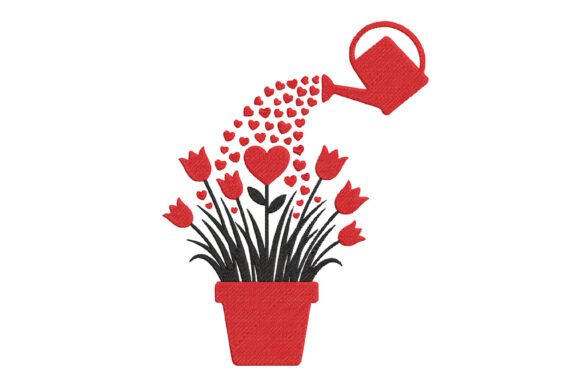
As a professional embroidery designer and product reviewer, I approach every new machine embroidery design with a critical eye. It is not enough for a digitized file to simply look pretty on a screen; it must perform under the needle and result in a high-quality finished product. When evaluating the Love Flower Pot Embroidery Design, my primary focus is on its versatility for both personal crafting and commercial application. This design features a charming floral arrangement integrated with heart elements and a watering can concept, creating a visual narrative that extends beyond standard Valentine S Day merchandise. From a designer’s perspective, this piece offers a unique opportunity to create items that feel romantic yet functional, bridging the gap between seasonal decor and everyday charm.
First Impressions and Visual Personality
Upon loading the embroidery file into my editing software, the first thing I assess is the balance between the floral motifs and the structural elements of the pot and watering can. The layout suggests a cohesive scene rather than disjointed clip art. The mood is undeniably warm and nurturing, which makes it an excellent candidate for projects intended to convey care or affection. Unlike generic heart designs that often expire after February 14th, the inclusion of botanical elements and gardening imagery gives this design a longer shelf life. It feels appropriate for spring collections, garden-themed gifts, and anniversary presents. For Etsy sellers and small shop product creators, this longevity is crucial for maximizing return on investment for digital assets.
Real-World Application: Stitching a Custom Tote Bag
To truly understand how the Love Flower Pot Embroidery Design performs, I recently tested it on a canvas tote bag design project for a client seeking personalized bridal party gifts. Canvas can be unforgiving if a design has poor registration or excessive density. In this real-life scenario, I needed to ensure the watering can handle and delicate flower petals remained distinct against the textured fabric. The design stitched out with impressive clarity. The transition between the fill stitch areas of the pot and the finer details of the flowers was smooth, preventing the dreaded "bulletproof" stiffness that can ruin a handmade product. The resulting tote bag had a professional, boutique-quality appearance that justified a higher price point than standard monogrammed goods.
Performance Across Different Substrates
Versatility is the hallmark of a valuable digital embroidery file. Based on my testing and analysis of the stitch structure, here is how this design adapts to various applications:
- Sweatshirt Embroidery: The design holds up well on fleece and French terry fabrics. However, because these materials are lofty, using a water-soluble topping is essential to prevent the floral details from sinking into the pile. The romantic aesthetic works beautifully on pastel crewnecks for Valentine's or Galentine's events.
- Baby Embroidery: When adapting this for onesies or bibs, scale is everything. If reducing the size significantly, verify that the smallest petal details do not become lost. The theme is perfect for nursery decor or "growing love" announcements, but always test on scrap knit fabric first to ensure the stabilizer prevents puckering.
- Kitchen Linens: Tea towels and aprons are natural homes for this design. The gardening motif aligns perfectly with culinary themes. On woven cotton, the satin stitch borders should lay flat and crisp, providing a clean edge that withstands frequent washing.
- Embroidered Patch: With a merrowed edge or tight border, this design translates effectively into a patch format. This opens revenue streams for makers selling add-ons for denim jackets or backpacks, extending the design's utility beyond traditional hooping.
Navigating Technical Challenges and Fabric Limitations
While the Love Flower Pot Embroidery Design is robust, no file is immune to physical limitations. Makers must exercise caution when working with highly textured fabrics like terry cloth or minky. The intricate interplay between the watering can and flowers requires a stable foundation; without adequate stabilizer, registration shifts can make the design look sloppy. Similarly, on stretchy performance wear, the design may distort during stitching or wearing unless a cut-away stabilizer and proper hooping tension are used. For dark fabrics, ensure you have verified thread color contrast. A design relying on subtle shading may lose its definition on black or navy material unless highlighted with lighter outline stitches or metallic accents.
I also advise checking the minimum text size if you plan to add personalization. Tiny lettering placed too close to the dense fill areas of the flower pot can cause needle breaks or illegible text. Always respect the integrity of the original digitizing by avoiding extreme resizing, which alters stitch density and compromises coverage.
Commercial Value and Brand Consistency
For creative entrepreneurs, the value of an embroidery project lies in its ability to attract buyers and build brand recognition. This design succeeds because it avoids cliché aesthetics while remaining emotionally resonant. When listing a personalized gift featuring this artwork, use high-quality photos that show the texture of the stitches. Customers trust sellers who demonstrate craftsmanship. A printable mockup can be useful for pre-sales, but nothing replaces a photo of the actual stitched sample on the intended substrate. This builds confidence in your craft business and reduces return rates due to unmet expectations.
Furthermore, consider how this design fits your existing catalog. Does it complement your current floral or holiday offerings? Cohesive branding helps customers identify your work instantly. Whether you are selling finished custom apparel or licensed design assets, maintaining a consistent quality standard ensures repeat business. Always confirm licensing terms before selling finished items or modifying the file for commercial embroidery purposes to protect your business legally.
Essential Designer Notes for Success
Before committing this design to a final product, adhere to these practical checkpoints to ensure professional results:
- Test Stitch First: Never skip this step. Run the Love Flower Pot Embroidery Design on a scrap of the exact fabric and stabilizer combination you intend to use. Check for registration issues, thread breaks, or density problems.
- Verify Hoop Size: Confirm the design dimensions fit comfortably within your machine’s maximum sewing field with adequate margin for hoop clearance. Crowding the hoop edges leads to tension errors.
- Thread Color Planning: Review the color chart provided with the file, but also test alternatives. Sometimes a variegated thread in the floral section adds depth that solid colors cannot achieve. Ensure sufficient contrast between the pot, flowers, and background fabric.
- Stabilizer Selection: Match the stabilizer to the fabric weight and drape. Use tear-away for stable wovens and cut-away for knits or stretchy materials. Consider floating techniques for bulky items where hooping is difficult.
- Mockup Validation: Test the design in black and white mockups to evaluate value contrast independent of color. This reveals whether the design reads clearly at thumbnail size for online listings.
- Licensing Compliance: Double-check usage rights. Some files allow unlimited physical sales but prohibit digital redistribution or mass production. Protect your shop by understanding these boundaries.
The Love Flower Pot Embroidery Design represents a thoughtful intersection of seasonal sentiment and enduring style. By approaching it with technical diligence and creative intention, makers can transform a digital file into tangible products that resonate deeply with recipients and customers alike. Whether stitching for profit or pleasure, let practical judgment guide your needle to ensure every project blooms as beautifully as the design itself.